

Investing in Schools, Investing in Democracy: Katherine H. Walsh on Facilities, Stewardship, and Systems Change in Boston
Written by National Center on School Infrastructure (NCSI),
Representing diverse public sector voices from across the country, NCSI’s Advisory Committee members bring a wealth of expertise and experience from the field that has helped shape NCSI’s priorities. Over the course of this year, we are featuring Advisory Committee members speaking about insights gained through their work to drive school infrastructure improvements. Here we interviewed Katherine H. Walsh, Assistant Director of Planning, Engineering, Sustainability, and Environment for Boston Public Schools (BPS), to hear her insights on the power of strategic alignment of partners and resources.
As Assistant Director of Planning, Engineering, Sustainability, and Environment for Boston Public Schools (BPS), Katherine H. Walsh operates at the intersection of aging infrastructure, political complexity, and bold innovation. Her approach to facilities stewardship reflects both strategic clarity and a commitment to public service—grounded in the belief that sustainable schools are essential to the well-being of students, staff, and entire communities.
“We are responsible for maintaining and operating our very old buildings and making sure we’re working every day not only to repair, maintain, and operate them, but also to create healthy, safe environments for teaching and learning.”
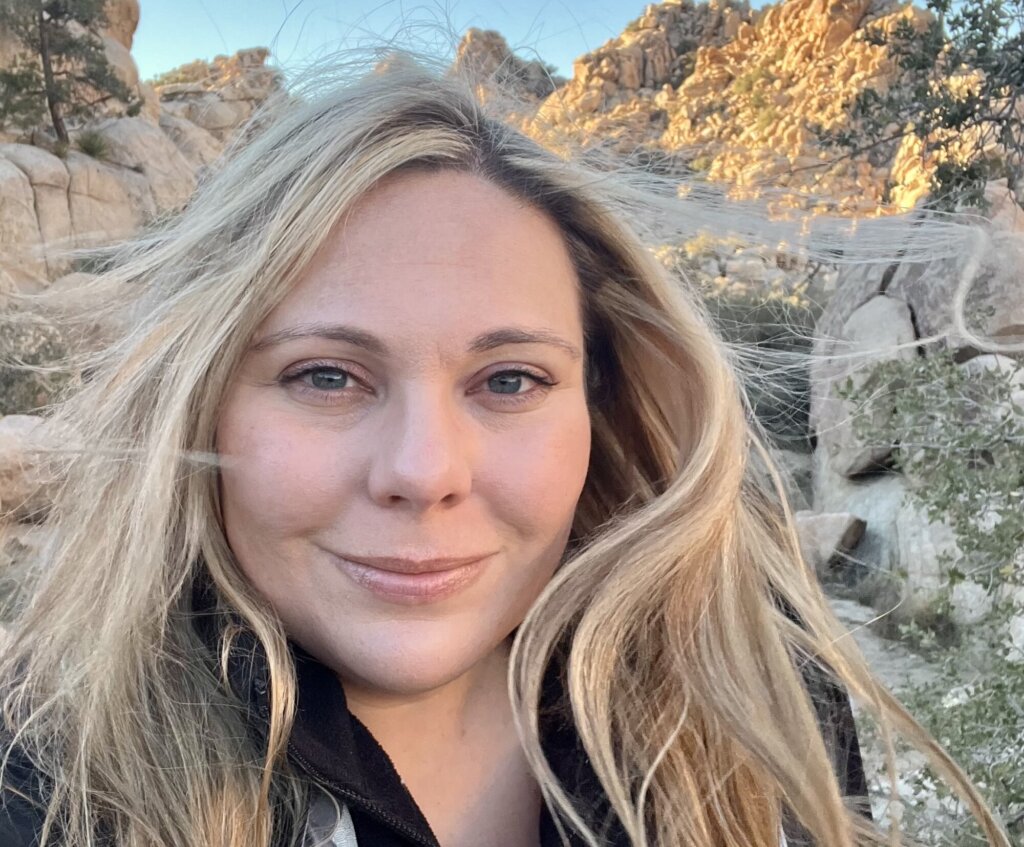
“Partnerships Are Key.”
Walsh’s pragmatic mindset drives her approach to collaboration within and beyond BPS. When she stepped into her current role, Walsh successfully advocated for restructuring responsibilities to unify BPS’s sustainability, energy, environmental health and safety, and building trades as one team. This super-charged her ability to collaborate across the multiple core aspects of facilities stewardship. She also advocated for a mechanical engineering position separate from the sustainability director, because each of those positions amplifies the other. By positioning sustainability and engineering as internal partners, her team can take a more holistic approach to facilities management.
Walsh emphasizes that internal stakeholder alignment doesn’t stop with her staff—students and teachers matter too. For example, Walsh notes that capital upgrades go further when educators and students are engaged. For example, Walsh explains, “we are committed to rolling out food waste collection at all schools. But if we cannot get teachers and students to actually participate, it doesn’t matter what we do. It’s not going to work” without buy-in from students and teachers on the frontline.
Recognizing that facilities staff are not always best positioned to lead engagement initiatives, Walsh turned to partnerships—including the City of Boston Public Works Department and local nonprofits like Change Is Simple—that can provide education to students, professional development to teachers, and support for green initiatives like composting. Walsh would love to create a staff position inside BPS Food & Nutrition Services (FNS) to support this work and, eventually, achieve operation of zero-waste school kitchens. Strategic partnerships with FNS leadership have amplified the power of Walsh’s thinking, while she and her team “are doing all the other parts that are critical to this initiative working.”
From Local to National
In the past four years, Walsh’s team has leaned heavily on national partners as well—from the Department of Energy to the EPA to the Center for Green Schools. These collaborations have filled gaps in funding, expanded technical capacity, and validated local efforts. “Sometimes those roles can seem so untouchable to a person like me. And to have direct access to a person who’s working in the White House or the EPA or DOE on behalf of a BPS initiative—that’s government working for the people.”
BPS became the first school district in the world to install indoor air quality sensors in every classroom and make the data public—a project that enabled actionable research and drew national and global attention. “Our work has now helped shape what a lot of schools are doing and advanced the conversation around pushing for finally having air quality standards in schools.”
A Model for the Nation
Boston, the oldest public school system in the U.S., operates 119 schools across 132 buildings—many of them well behind 21st century K-12 standards. The challenges of old infrastructure are front and center. Many BPS buildings lack basic systems like HVAC and elevators, and some may not be financially feasible to upgrade. “In some cases, those types of investments cost more than the value of the building itself,” Walsh notes.
Walsh meets these challenges with strategic innovation. While she cannot renovate, let alone build new, for every single BPS building, she has successfully implemented districtwide strategic initiatives—such as improvements to drinking water, air quality, and outdoor schoolyards—that bring every building in BPS’s portfolio in line with highest quality educational standards.
In this way, BPS serves as a national model for demonstrating how the combination of capital investment, major renovations, and strategic initiatives can result in truly excellent learning facilities for all students. “We know every building isn’t getting a whole brand-new build, but we still need to make sure that we’re improving our existing buildings and bringing them up to the highest quality possible,” Walsh explains.
A Vision for the Future—and a Reminder of What’s at Stake
Walsh sees investment, smart planning, and strong teams as the foundation for lasting transformation. The infusion of ESSER funds during the pandemic was a turning point, she notes, saying, “It’s money. A lot of dreams just need investment. And ESSER was a perfect model of that.”
But no amount of money—or infrastructure or policy—will matter if the public doesn’t understand the essential role of schools. “We need to advocate for how important it is to invest in schools. An investment in our school systems is an investment in our communities—and in ourselves.”