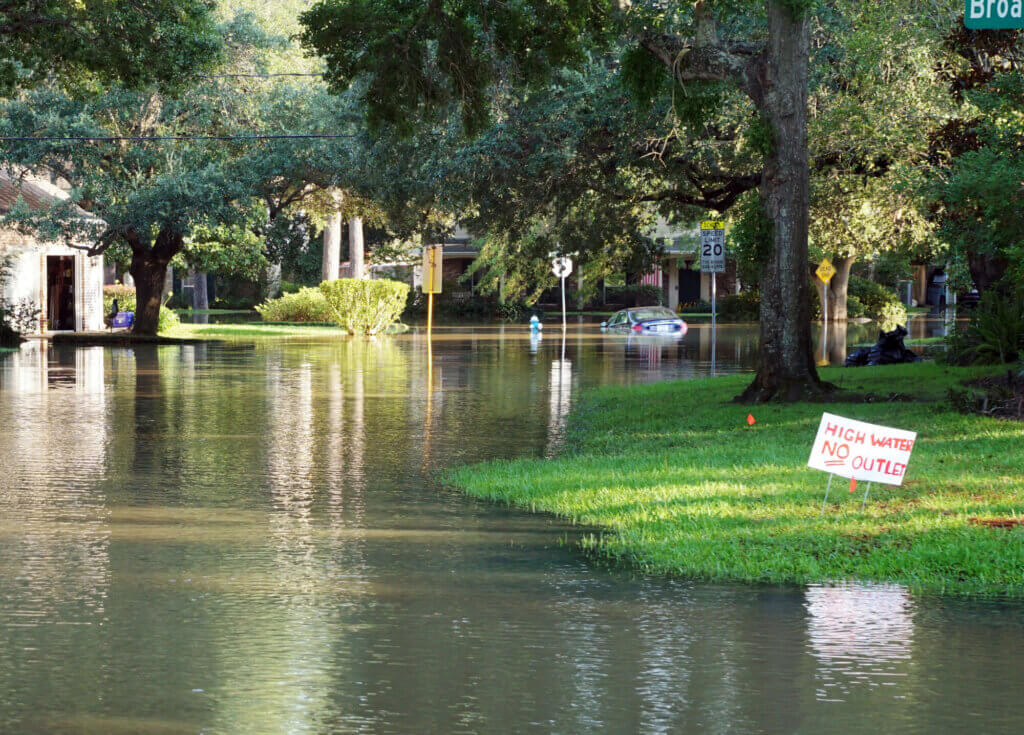
In all regions, through all seasons, weather patterns and natural hazards are intensifying. Heat waves are becoming more frequent and extreme, storms more powerful, wildfires more widespread. School facilities across the country are increasingly vulnerable to these shifts; aging infrastructure, deferred maintenance, and outdated building systems leave schools poorly equipped to protect the health and safety of students, staff, and the broader communities they serve during severe events.
Extreme heat has emerged as a particularly urgent challenge: a significant share of the nation’s school buildings lack adequate cooling systems, leaving students and teachers to learn and work in classrooms that can reach dangerously high temperatures during heat events that are growing more frequent and intense. Research consistently links high classroom temperatures to reduced student attention, increased absenteeism, and diminished academic performance, making HVAC upgrades, including the installation of air conditioning in uncooled schools and the replacement of aging or undersized systems, among the most pressing facility investments needed by many districts.
Learn about the HVAC Change Lab, an effort to build district capacity for modernizing HVAC systems