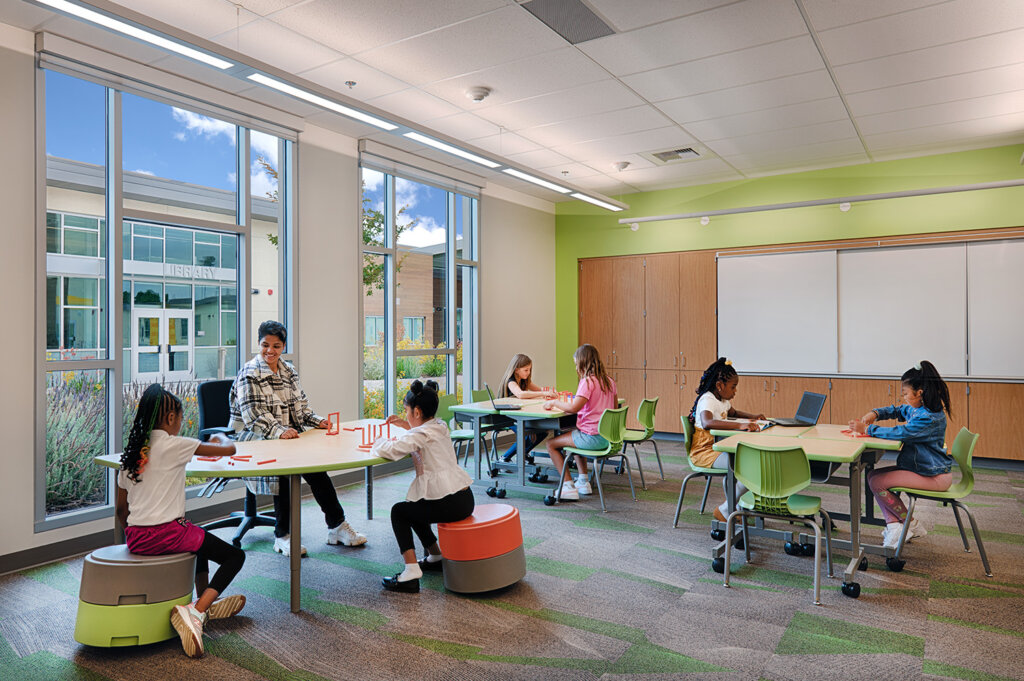
The quality of a school’s indoor environment is one of the most direct pathways through which a building affects the people inside it, shaping not only physical health but also the social and emotional conditions that support learning, belonging, and well-being. Indoor environmental quality, or IEQ, encompasses a wide range of interrelated factors: the air students and staff breathe, the water they drink, the temperature and humidity of their classrooms, the acoustic conditions that determine whether instruction can be heard and understood, and the presence or absence of harmful contaminants such as lead, asbestos, mold, and volatile organic compounds. Poor indoor air quality, whether from inadequate ventilation, aging HVAC systems, or airborne pollutants, is linked to increased rates of asthma, respiratory illness, and absenteeism among students and staff. Unsafe drinking water, extreme thermal discomfort, and excessive noise are similarly consequential, affecting concentration, behavior, and the ability of teachers to teach and students to learn effectively. Beyond these physical dimensions, the indoor environment also shapes social and emotional health: spaces that feel safe, welcoming, and well-maintained communicate to students that they are valued, while neglected or deteriorating conditions can undermine morale, trust, and sense of belonging for students and staff alike.
Managing IEQ well requires ongoing attention and investment, including regular monitoring of air quality and building systems, prompt response to contaminant risks, and proactive maintenance of heating, cooling, ventilation, and plumbing infrastructure. Ultimately, the quality of a school’s indoor environment is not a peripheral concern. It is a fundamental determinant of whether a school building supports or undermines the health and potential of everyone who spends time inside it.