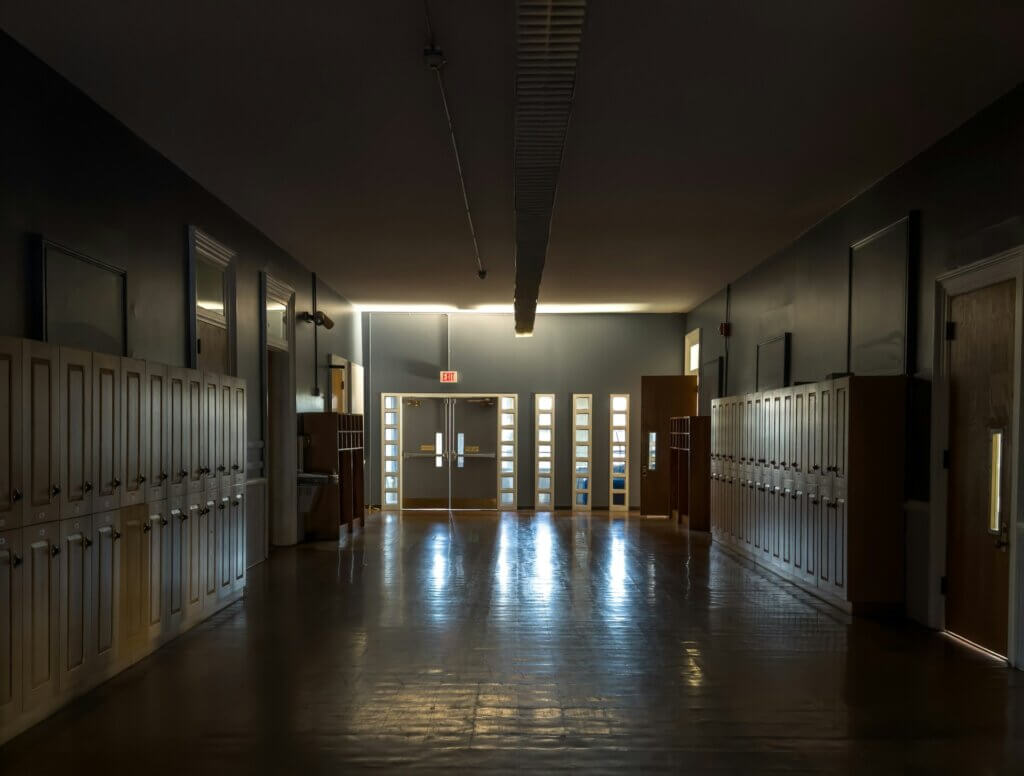
School closures and consolidations have become increasingly common across the United States, particularly in school districts facing declining enrollment, fiscal pressure, aging or deteriorating facilities, and the challenge of maintaining educational quality across an underutilized building stock.
Whatever the driving factor, the decision to close or consolidate schools is among the most consequential and contested a district can make. Closure and consolidation can allow districts to concentrate resources, improve facility conditions, and sustain program quality for students. But school closures can also generate harms that ripple through classrooms, families, and neighborhoods: long-standing relationships between teachers and students are disrupted, families must adapt to new transportation arrangements and schedules, and access to crucial services like after-school programs and health clinics may be compromised. These harms are not evenly distributed: research consistently shows that school closures disproportionately affect lower-income communities and communities of color, where schools often serve as particularly vital neighborhood anchors and where families may have fewer resources to absorb the disruption. In the wake of closure, what happens to school property matters. Vacant or underutilized school buildings can become neighborhood liabilities, while thoughtful repurposing as community centers, affordable housing, health clinics, or other civic uses can help preserve some of a school’s role as a neighborhood asset even after its doors close to students.
Any closure or consolidation process requires careful attention to educational quality and community needs. Decisions should be grounded in both quantitative data (enrollment projections, facility condition assessments, utilization rates, transportation costs, and demographic trends) and qualitative input from community members. Meaningful engagement processes that involve students, staff, and community members from the earliest stages of planning are critical to surfacing concerns and developing strategies for ensuring that school closures result in improvements to educational opportunities and community benefits that are broadly shared.