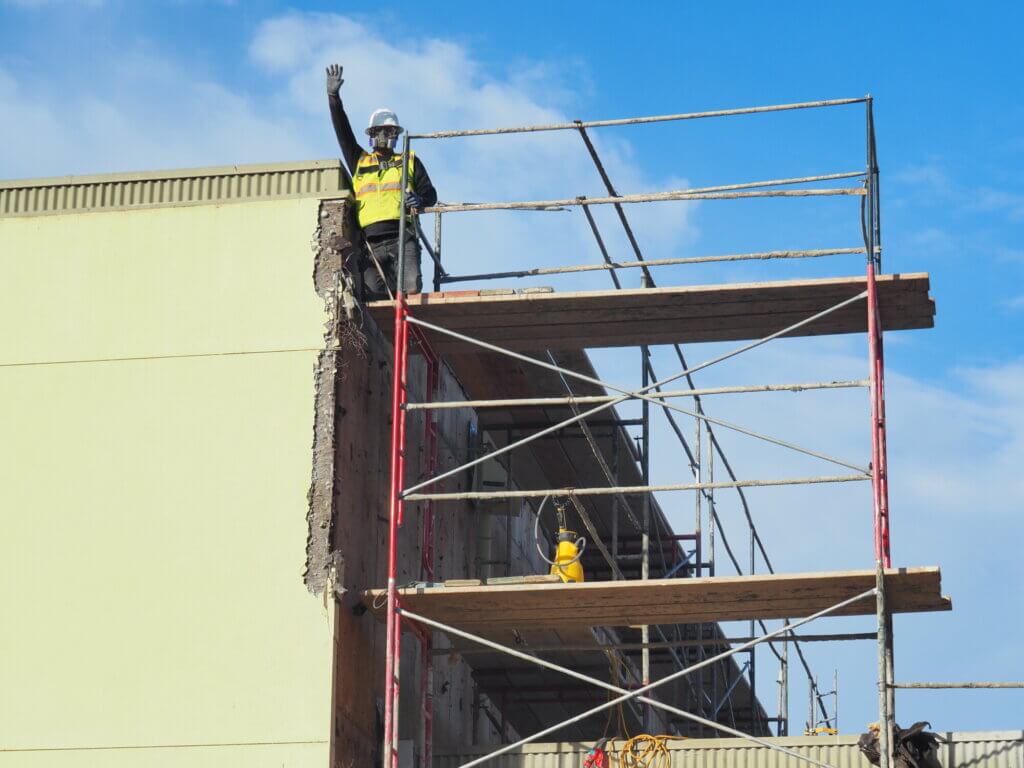
Capital planning and construction represent some of the highest-stakes undertakings a school district will engage in, committing public resources, shaping educational environments, and setting the conditions for student and community outcomes for decades to come. Done well, capital planning is a proactive, data-driven process that connects a district’s educational vision to its physical infrastructure: identifying facility needs, prioritizing investments, sequencing projects, and ensuring that construction decisions align with long-term enrollment trends, community priorities, and fiscal realities. Translating that plan into built reality through the construction phase introduces its own complexities. Cost escalation, supply chain pressures, and workforce shortages have made the construction environment increasingly challenging in recent years, heightening the importance of realistic budgeting, contingency planning, and innovative procurement strategies. Project management, schedule reliability, and quality assurance all require clear processes, effective oversight, and strong communication among district leaders, architects, contractors, and the communities they serve.
A persistent challenge throughout the capital planning and construction process is ensuring that investment reaches the schools and communities that need it most. Without careful attention to how resources are allocated, aging buildings in lower-income communities can fall further behind while schools in more affluent areas continue to improve. Understanding not just what gets built, but how decisions get made and who they serve, is essential to ensuring that public investment in school facilities delivers lasting value for all students, educators, and communities.
States play an important role in school district capital planning and construction, often providing capital funding and/or assistance with capital planning, as the Ohio Facilities Construction Commission does.