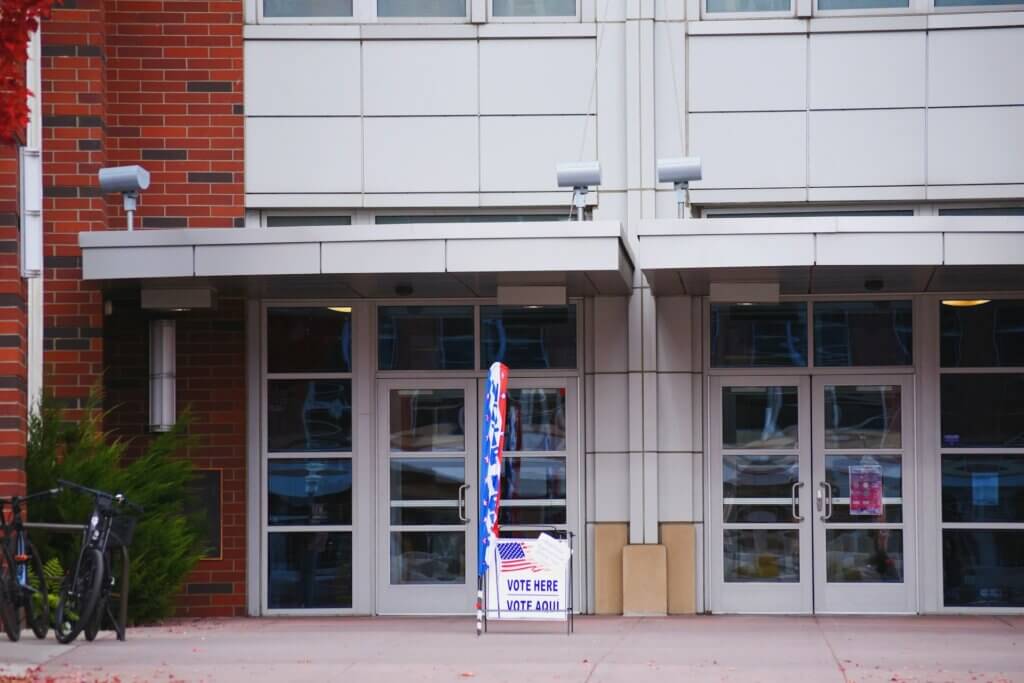
Schools are among the most significant public assets a community holds, and their influence extends well beyond the students they serve. Research consistently shows that school quality and facility condition not only impact student achievement, but also can affect local property values and real estate markets, making school investment a matter of neighborhood economic health as well as educational policy. When schools are well-maintained, thoughtfully designed, and perceived as thriving, they can stabilize and strengthen surrounding neighborhoods; when they are neglected or closed, the effects can ripple through local housing markets and community morale in lasting ways.
Beyond their economic footprint, school buildings and grounds serve as civic infrastructure: sites for community meetings, adult education, health services, voting, cultural events, and recreational programming that benefit residents of all ages. In emergencies, whether wildfires, floods, or other disasters, schools frequently serve as evacuation shelters and relief centers, making their design, resilience, and geographic accessibility matters of public safety as well as education. Recognizing and designing schools as community assets rather than isolated institutional facilities opens up new possibilities for partnership, shared investment, and coordinated planning with municipal governments, nonprofits, and the neighborhoods that schools are meant to serve.