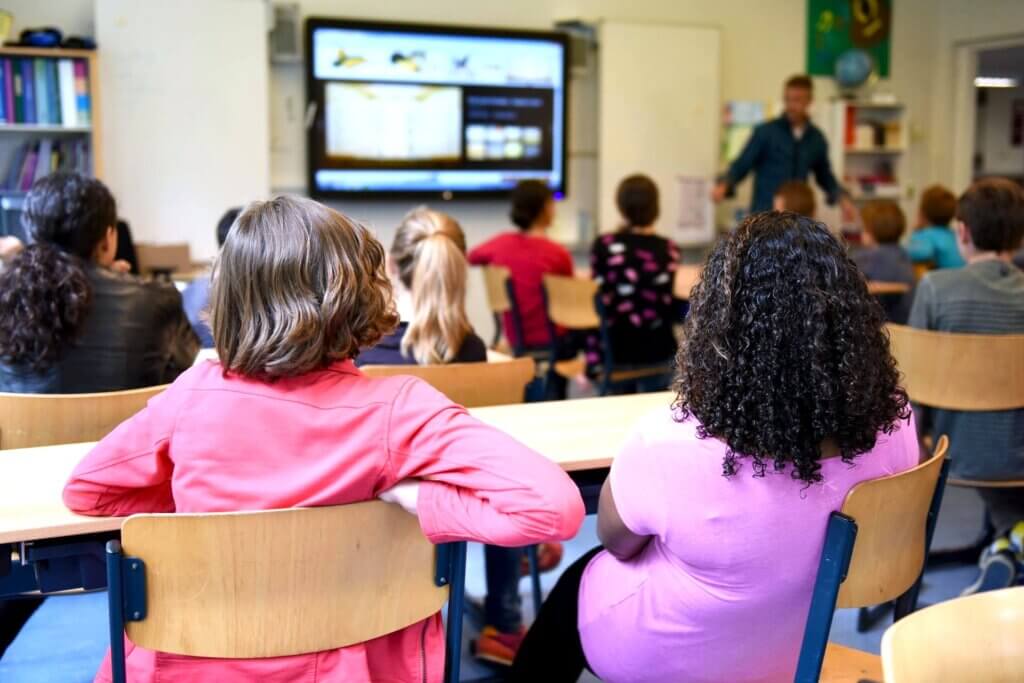
School facilities are more than physical structures — they are active components of the educational ecosystem. Studies consistently find that students in poor-quality facilities perform worse academically than peers in well-maintained buildings, with measurable differences in test scores, graduation rates, and attendance linked to conditions such as inadequate ventilation, thermal discomfort, excessive noise, and exposure to contaminants. Building conditions also affect teachers and staff: poor facility quality is linked to lower job satisfaction, higher turnover, and reduced instructional effectiveness, with consequences that compound over time for students who lose experienced educators.
But improvements to building conditions, including upgraded ventilation systems, better lighting, reduced noise, and remediation of contaminants, have been associated with measurable gains in student attendance, behavior, and academic performance, suggesting that facility investments that improve indoor environmental quality are an investment in educational outcomes. The growing body of research in this area connects the dots between facilities management, infrastructure investments, and student success.
Explore these topics in more depth on the Student Impacts and Teacher and Staff Impacts pages.